Friday, April 2, 2021

My Love/Hate Relationship With NaNoWriMo


I love everything about Nanowrimo. I love the community, the authortube videos, the motivation boost it inspires in aspiring writers. What I don't like is the fact that I always sign up for nano and never win because I fall behind, get discouraged, and inevitably give up. I know someone out there is going to say that the problem is with me, not nanowrimo itself, and that's fair. However, now every November I've learned to just stay away from the new projects page and just enjoy the social media content that goes with it. Sadly, while nanowrimo can be a great motivator for some, it's become a toxic affirmation of me failures and I really don’t need to keep putting myself through that.


Thankfully, nanowrimo has a way more approachable sibling, camp nanowrimo, which lets you set your own writing related goal. You can set your own writing, editing, or drafting goal instead of the set 50,000 words in 30 days. This makes it easier to set more realistic and attainable goals (at least for me).


This camp I'm committing to writing every single day for at least 30 minutes. It may not seem like a lot to some but I'm a burst writer (I write a lot in the span of a few days, burn out, and don't write for weeks) and  my goal is to build up a habit of consistent writing.


Remember camp nanowrimo is not a competition. It's about helping YOU achieve YOUR goals. ANY PROGRESS IS STILL PROGRESS, no matter how small. I'm hoping this camp will help me built up confidence and consistency - the kind of writer that can sit down and commit to write every day - no matter who many words I may write.


_*_


Are you participating in camp nanowrimo? What's your writing goal? Let me know and have a lovely Friday!


Wednesday, March 31, 2021

A Small But Significant Accomplishment!

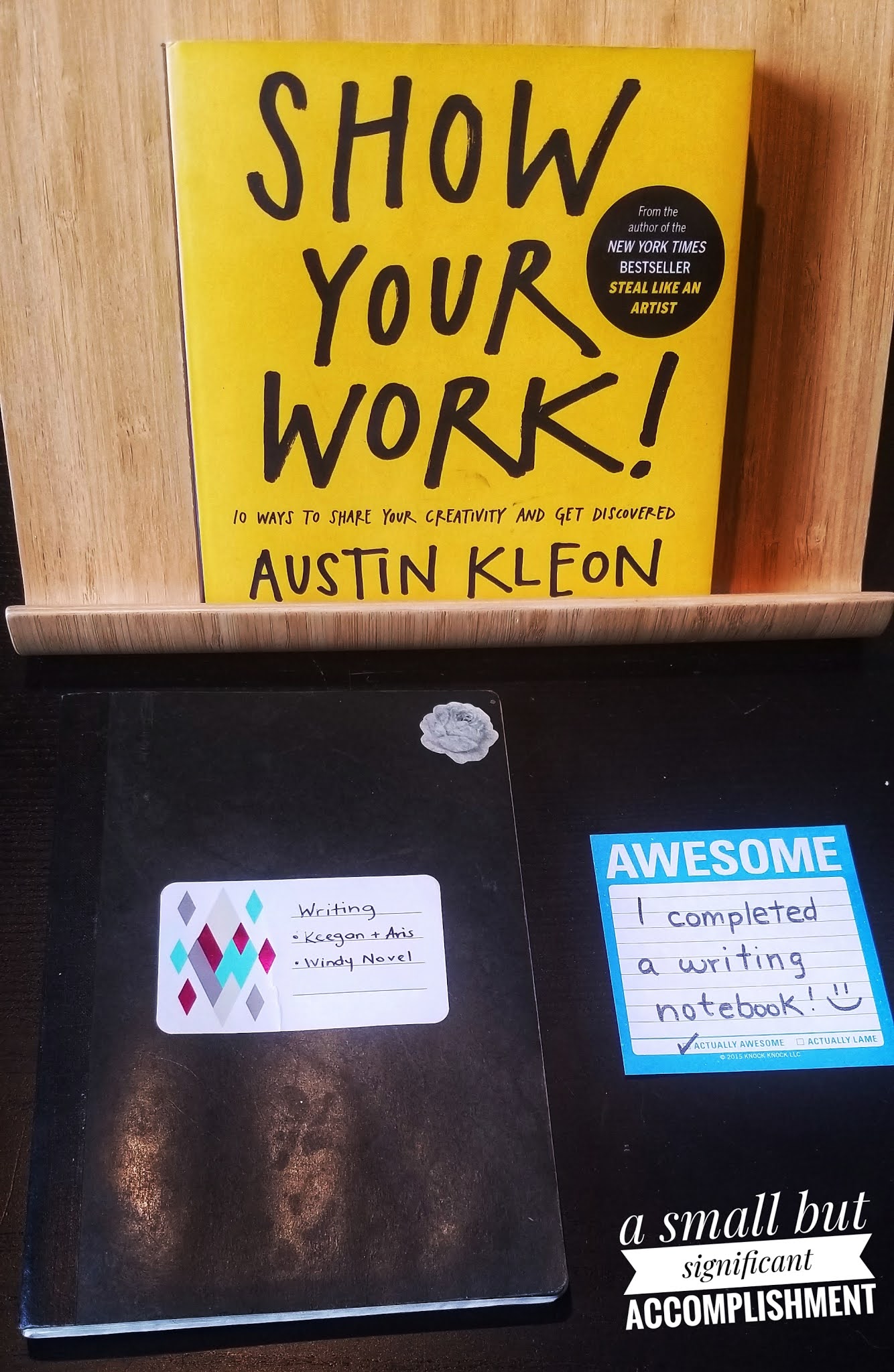
 I finished a writing notebook! I had to share this small but significant accomplishment with someone! I have so many notebooks (TOO many) and I've always had a hard time filling them up because I didn't want to ruin them with my crummy writing. Completing a notebook undoes that kind of negative thinking so much. Not only am I using up something I love that I've been hoarding, but I've also kept writing despite the negative critic in me. It's taken me a while to finish this notebook (a little less than a year because I switch between handwriting and typing my work) but it's an accomplishment, small but significant, and I hope to fill up many more in the future. 


I'm currently doing a reread of Show Your Work by Austin Kleon and it's prompted me to make this post. This book may be small but it's a treasure and is teaching me that small steps to a bigger goal are indeed important and significant and that showing your work and sharing with others makes a solitary activity, like writing, seem less lonely. I will probably do a recommendation after I'm through with this reread but I really cannot recommend this book enough! 


Do you write? If so, what are you working on? Wishing you all the best! 


Wednesday, January 1, 2020

Picking A Word of the Year and Setting Goals for 2020

I know for most people, picking a word to drive them through the upcoming year is prep that's done before the New Years but honestly, sometimes you need the time between Christmas and New Years to recoup from the stresses of the past year as a whole, to reflect, and to restructure what you want from your life. This is what I've spent most of the last few days doing - lazing about my house (because yay! - finally), reflecting on what a throwaway year 2019 was for me, and what I can do so that I won't feel the same way again come the end of 2020. This isn't something I do every year but since I've felt so underwhelmed by 2019, I'm making moves to make 2020 more productive and exciting.

The first thing I did was brainstorm what I wanted out of the next year - what goals I wanted to accomplish, what events I was looking forward to, changes I wanted to make, etc. This is pretty generic but I think it's important to really think through and analyze the different facets of your life. After this, I tried to determine what the most important goal/task was for me this year. You know, the one where if everything else fell through, it was okay because at least you accomplished this one specific thing, which made it all worth it. For me, this was the goal of completing a manuscript. I've been dabbling with writing since I was nine and I've had "write a novel" on my bucket list for way too long. This is one of those goals that I've convinced myself I'm not skilled or disciplined enough to accomplish, but no longer! This is the year I will write a first draft to a book!

From there I tried to pick a word that encompassed not only this goal but me as a person (this is play on Ali Edwards' One Little Word project which you can check out here. Can you guess what I came up with?

My word for the year is CREATE.

It is pretty spot on for my goal to write because I want to create a story and a book and in order to do that I need to let go the idea that I'm not a creative person. But then when I thought more about the word, I thought, well, what else do I want to create in my life? I looked back at my brainstorm and realized that there were a lot of different things that I could create this year.


I found that I wanted to create:

  1. Memories
  2. Better relationships
  3. Content
  4. Good Habits
  5. Awareness
From there I asked myself what kind of things I wanted to do for each category and what actionable steps I could come up with to see some of these goals accomplished throughout the year.  I did this by asking myself how I wanted to create more memories, better relationships, etc and came up with at least two different actionable things I could do to create that change. For example, I would keep a memory journal and see more of New York City to help create memories and would make sure to see/call my family once a week as well as host an event at my house once a month. This process looked like this:


This is a pretty good place to start with goal setting but if you want to take it a step further, what I did next was see how often each kind of task needed to be done. I separated them into daily (by which I mean mostly every day but if I miss one or two I really shouldn't be mean to myself about it), weekly (as in these specific days each week, I want to do this task), and monthly. I put them on a sticky note so that I knew which tasks needed to be checked on when. 

This whole process is much easier to accomplish when you have a planning system in place to remind you to check on these things. I would also recommend having some sort or review system to check in with yourself once a week or once a month (I'm doing both) in order to see which tasks and goals have been working or not and why, and to see if anything has to be tweaked for the next week/ month. 

Finally though this doesn't have anything to do with your word of the year or setting goals necessarily, but I would recommend that you ask yourself questions about your previous year and what you hope to accomplish for the upcoming year. It may not seem important, but having done this in the past and looking back, it was so interesting to see what my priorities were and what I thought of myself at the time. Last year I used Susanna Conway's Unravel Your Year, which you can find here by subscribing to her newsletter. The workbook has you reflect on your previous year and write about who you hope to be and what you hope to accomplish in the upcoming year. I really truly recommend it. Because I had computer issues this year, I copied the questions and prompts I thought were most important into my journal and answered them.


I understand that this level of planning and retrospection is not for everyone and that's completely fine. But personally, I feel like I'm more likely to accomplish my goals if I know what they are and how I plan to see them through.

I know that the way I picked my word is very specific to me but here are some other examples of words you pick for yourself this year and how you can think of goal setting for them:


BRAVE
In what ways do you want to be brave this year?
What things were you not brave enough to do before that you'd like to try now?
--> This could lead to being brave to be more honest and open with people, being brave to move to a new city or make a career change, being brave enough to put yourself out of your comfort zone or start a project you've been scared of starting, etc.


MINDFUL
What would you like to be more mindful of in 2020?
What have you not been mindful of in the past and how can you change that this upcoming year?
--> This could lead to being more mindful of the people around you, being more mindful of how you spend your time (looking at you social media), being more mindful of your mindset (if you're negative and hard on your self) and finding a way to change that, how mindful you are of how you eat (looking at your candy and junk food), etc.


BELIEVE
What negative beliefs have you had (about yourself or others) that you would like to change in 2020?
-->This could lead to trying to believe more in yourself, to dive deeper into your faith (if you have one - to each their own),  to believe the best of people instead of focusing on the negatives, to believe that you are not your past or that you can change, etc.

After coming up with a word and brainstorming how you want to apply that word to your life, I would then come up with actionable steps to create the changes you want to see in your daily life.

I hope that has helped you guys in some way. I hope you're having a lovely day and that you're excited about all of the possibilities 2020 has in store for us! 

Wednesday, October 10, 2018

5 Bad Creative Writing Tips That Can Sink Your Project

I've recently been making a real effort to finish a novel by the end of this year (though at this point, and with how much I draw out my scene, that seems a bit over ambitious). I've switching my methods of accomplishing this task a few times (making a word count goal for each day, trying a writing challenge, making a specific time commitment that needs to be completed by the end of the day) but I've found that some of the things that had been making me doubt myself or have set me up for several days of writer's block was well-meant advice that just doesn't work. I'm not saying that the methods I'm about to mention NEVER work, just that they didn't work FOR ME. So here are five writing tips (either told to me or found on the interwebs) that have completely thrown my off my writing game.


  1. You're either a Plotter or a Pantser

    I know this isn't advice per say but bare with me. I generally hate labels since they're really restrictive but as a writer, hearing this idea "you're either a plotter or a pantser" has made me feel like if I wasn't subscribing to one over the other, I wasn't doing it right. But first, what's the difference between a plotter and a pantser?

    A plotter is someone who plans the bulk of their writing before even beginning their first draft. They have a list of scenes for their general plot outline, character descriptions, and a lot of world building or theme related information already figured out before they put pen to paper or start typing their first few words.

    A pantser, on the other hand, is someone who "writes by the seats of their pants". This means no planning whatsoever. You write where ever the narrative takes you.

    One method isn't any better than the other and picking a method is completely up to personal preference. But a lot of people are really serious about where they fall on this spectrum of planning or not planning and I feel this can be really damaging to new writers. Newbie writers may feel like not falling into either one of these camps may mean they're "doing it wrong" when that's just not the case. I personally use a combination of the two. I don't plan the entire story arch and in fact, only go as far as to write bullet points of whatever scene I'm working on at the moment to help me see where the scene could go. If the scene goes in a different direction than I'd planned, I'm not overly bothered because the rest my story line hasn't been completely derailed by these changes. I keep ideas for the future scenes in a notebook and have a system for how to incorporate them into the larger unplanned story arch. I think this system gives writers a lot more freedom in their writing and if either of them don't work well for you, create your own hybrid system.

  2. You have to write scenes chronologically.

    I used to think this one too. How can I write scenes out of order? The thing is, sometimes you get stuck in your writing. Maybe a scene isn't working out the way you wanted it to or you don't know what comes directly after the scene you're working on now. This can be a huge road block. Scenarios like this have held up my writing for days but if you just outline a later scene or even start drafting it, you're still writing, you're still furthering your story line and it might just help your creative juices get flowing enough to help you figure out what scenes you'd need to get from your last scene to the one you're working on how.

    I think this is especially important for starting a writing project. If you're having a hard time writing the beginning of your story, start somewhere else. I was having a very difficult time starting my story but had the inciting incident so solidly and with such detail that the scene played out like a movie in my mind. So instead of being frustrated with the beginning of the story and feeling like I had to edit and edit and scrap and edit some more before I had anything I could work with, I decided to leave the beginning for later and start writing the inciting incident. And honestly, that method has been working really well. Because I had a clearer picture of where I where the scene was going and what might happen afterward, I've been able to keep the narrative going without much problem. I'll go back and add the "beginning" in later during my next draft.

    This method is also really helpful for scenes that get excessively long and that fizzle out while you're writing. I know me. I know how likely I am to abandon a writing project when I'm frustrated that I'm still stuck in a scene (especially one that already has a clear beginning, middle, and end but is taking me forever to get through). Instead, I write down what should come next to finish the scene without actually writing out the full scene (with dialogue, and such) and just move on to the next piece of the story. Again, it can be filled out during editing or when I start my next draft.

  3. I should stop writing/ start over if my first draft feels awful.

    Please don't. It's unrealistic to expect your first draft to be filled with "great writing". This is not to say that your first draft will be garbage, but it won't be a work of art either.  There will be too much exposition, awkward dialogue, and a lot of stuff you're probably going to have to cut later. you just have to go with it. As Christina Dodd says:

    "You can always fix crap. You can't fix a blank page. "

    And she is one hundred percent right. It's better to have content to work with than letting yourself worry about how your draft MIGHT turn out. Putting off writing because of how bad you feel your writing is or deleting everything can be a way to procrastinate with your project. I'm not saying to never delete anything but you might want to make sure that you're not deleting a bulk of what you've accomplished in a day. Instead, make notes on what you'll change later and use that when you're writing your future scenes.

    Even if your project doesn't turn out great the first time around at least there's a next step for you to take in fixing it and just the writing process alone will teach you more about the project and the characters you're creating. It'll might be in the next draft that you'll flesh them out so don't stress about how awful it is, just keep going and trust that you'll be able to fix any problems in your next draft.

  4. You should compare your works with that of other's

    Sigh. I think when people talk about this, it's explain the basic story or theme with something people can relate to when they ask you about your writing project. "Oh, my story is a mix between Harry Potter and Vampire Diaries". However, starting to compare your work with published authors may not be a good idea. Comparing your draft with a published piece of work may discourage you. Keep in mind that your draft is unfinished, hasn't been edited by an editor, and is still in it's beginning stages. Many of published authors have been writing for years and are on a different level in their author/ writing journey than you are. You'll get there too.

    More than that though, don't compare yourself with other writers at all (even those who are on a similar level than you). As someone who watches a lot of Youtube, I follow a few author-tube channels and have found myself comparing myself and my writing to others (especially during things like NaNoWriMo). I watch as these self-published and aspiring writers bad out 1800 words in a half hour. I can't do that. In fact, I write about that much in an hour and a half. And for a while, I felt really discouraged about things like this but when it comes to writing, I've learned its's really just about running your own race. When horses race, they are given blinders so that they don't focus on all the other horses on the track. They just focus on themselves and run their own race to the best of their ability. You have to do the same with your own writing. Focus on your project and your progress. And if anything, use other people's success as motivation for reaching your own success - think "if she can do it, so can I"!

  5. Don't borrow from other works

    Nothing in the world is truly original. People borrow from other works all the time to find inspiration for their own projects. The key to borrowing is to take something you really enjoy and spin it! You like stories about boarding school? What can you tweak to give a fresh take on something that's already been written about? Make sure that when you are borrowing from other people's material, you're doing so in a way that is respectful and isn't plagiarizing. If you're copying directly from a text, that's plagiarism and extremely illegal. But don't let people make you think that you can't write a story about something someone's already written about. The Hunger Games was about dueling to the death to win a competition (obviously there's more to it than that but we're talking bare bones for right now). Now let's think of another book that has a similar bare bones premise - Throne of Glass and Crown's Game are just a few Y.A titles that fit this description.

    The point is they are similar but not the same. The authors could have drawn inspiration from each other but obviously the differences in the works are vast enough that you don't think of them as being the same. Find something that draws your interest, borrow from that work, create your own twists and change the type of characters you - you'll end up with something totally different than what inspired you in the first place.
I hope bringing some of these tips to light may have helped writers from getting discouraged or feeling like they're doing something wrong. Reading or looking up writing advice online or in books isn't necessarily a bad thing but you need to evaluate what does and doesn't work for you. Writing like most things is a process and something that works for one person may not work for you and vice versa.

Good luck to any writers doing Preptober! I wish you guys all the luck in the world in preparing for NaNoWriMo!!


Wednesday, January 18, 2017

How to Read More in 2017

January is start-over month. It is the month for New Years resolutions and intentions and is when most people reevaluate their habits and the decisions they've made the past year. I've been making tons of resolutions for the new year (17 goals for 2017) and have been comparing goals with my friends as well. I was surprised to find was that some friends' goals included reading more in 2017. As someone who reads at least fifty books a year, here are some tips to those of you who may have similar goals and want to increase the amount of books read in a year.
Uppercase Subscription Box Reading Planner (Weekly Layout)
  1. Make Reading a Priority

    If reading is something that you do as an afterthought, then you're probably not going to get much of it done this year. Make reading more a goal for the year and set it as one of the important things you hope to accomplish this year. Pick a number of books you'd like to read this year or an amount you'd like to read a day (maybe a half hour every day). Thinking of reading as an actionable and measurable goal will help this goal become a reality. This will keep you from putting it off or thinking that you are too busy to get your reading done.

  2. Read What You Enjoy Reading

    A lot of the time, people stop reading or get stuck in the middle of a book because what they're reading is something they wouldn't have chosen for themselves. This has happened to me a few times. Not because I don't know what kinds of books I like, but because there are a number of books I convince myself I HAVE to read because I have a degree in Literature and I should be reading more classic literature.

    Honestly, this isn't always bad. Half the time, I'm extremely glad I've forced myself to read something a bit more challenging and that I can use my analytical muscles for. But the other half of the time? I'm miserable. The book is long and boring and I don't want to admit defeat so I end up in a reading slump that can last weeks. Don't do that to yourself. If you're not enjoying a book and you can't push through it, move that book to your DNF (did not finish) pile. Reading shouldn't be stressful and you shouldn't make it so.


  3.   Make a Time and Place For Reading 

    Like most other things (especially writing), it's easier and you're more likely to get it done when you designate a time and place for a specific action. There are three times that would make great designated reading times.

    Make a habit of reading on your daily public transportation commute to work. It's something you do most weekdays (most likely) and it gives you something productive and enriching to do during a time you would've spent doing nothing. If you're a student, read during your commute to school and back home.

    If you're someone who does work during their commute, try to make reading a part of your morning or nightly routine. Reading can be a great way to start your morning. Reading about characters that go on adventures or people who are inspiring and striving to achieve their goals can energize you and give you motivation for the day to come.

    Adding reading to your nightly routine can also help you to get better prepared for sleep. Don't pick up any thrillers or page turners for this time of day (that can lead to all nighters believe me). Instead, self help books and historical fiction can help to calm both your body and mind down enough for a relaxing night's sleep.


  4. Find a Way to Get Inexpensive Books

    A lot of people don't want to become avid readers because books have become more expensive over the years. "Twenty plus dollar for a hardcover novel? No thanks." And while I understand that impulse, there are many ways to find inexpensive reading materials. Here are some of my favorite ways to find inexpensive books:

    - Go to the library.
    The library is the best place to go for books. It costs you nothing at all and they have an expansive selection to choose from. Better yet, you can even rent books digitally as long as you have a computer or tablet with a compatible reading app.

    - Bookoutlet.com
    This has to be one of my FAVORITE book retail stores. They sell used and new books at a fraction of the original price. They don't usually have books that have just been released but if you wait a few months, the book you've been wanting may be available for three to five dollars! This is a huge discount when you consider the $9.99 plus tax cost of a softcover book at full price!

    - Buy ebooks
    For those of you who aren't picky about whether or not you have a physical copy of a book, many best sellers can be found for insane sales prices in the ebook section of Barnes and Noble or Amazon! And if you're just browsing without anything specific in mind, thousands of ebooks are on sale for only 99 pennies.

    - Scribd
    This is an ebook subscription service. For $8.99 you can download any two books a month from Scribd's database. The book reading experience is similar to that of a Nook or Kindle and though the book selection is similar to that of bookoutlet, the titles of popular books are available and instantly accessible.


  5. Find an Alternative Way of Getting Your Book Quota In

    For those of you who literally have a jam packed day and who can't read while on route to somewhere because you drive, try listening to audiobooks during your drive to work, home, or the grocery store. It will keep your mind engaged while you drive and can teach you a few things - if you're listening to a self help or instructional text.


  6. Find a Way to Keep Yourself Accountable 


    So you've planned on trying all of these tips but you won't see any results unless you implement them. You have to follow through with these actions. Write reading into your to-do list for the day so you can keep track of when you do or do not complete your reading. Start a reading and writing planner (bullet journal style - if you want to be cost effective). Uppercase's book subscription box has AMAZING reading planners (shown in the left) available for a low price ($13.99).

     Track how much reading you get done with fun apps or join goodreads.com in order to share your opinions on your favorite new reads. At the very least, tell a friend about your goals and have them hold you accountable. 

I hope these tips will help you accomplish your goal of reading more in 2017. Reading is a wonderful way to keep the mind sharp and has been scientifically proven to stave off mental illnesses like Alzheimers and Dementia. Reading also provides a low key way to destress and offers an escape from everyday hardships. So please make sure to read more and enjoy the benefits of acquiring good habit. 

Happy reading. 

Tuesday, November 15, 2016

WHY CHILDREN'S LITERATURE IS STILL RELEVANT TO ADULTS PART II

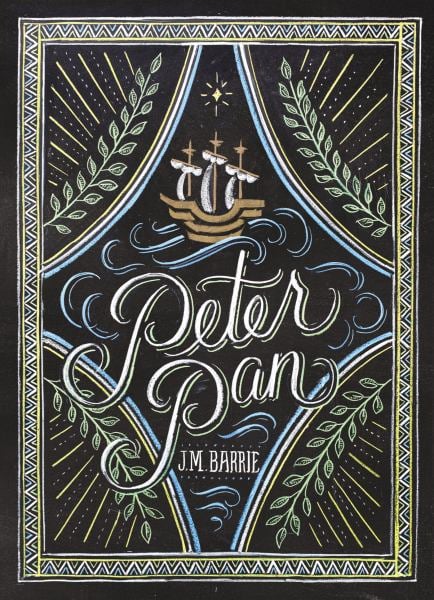
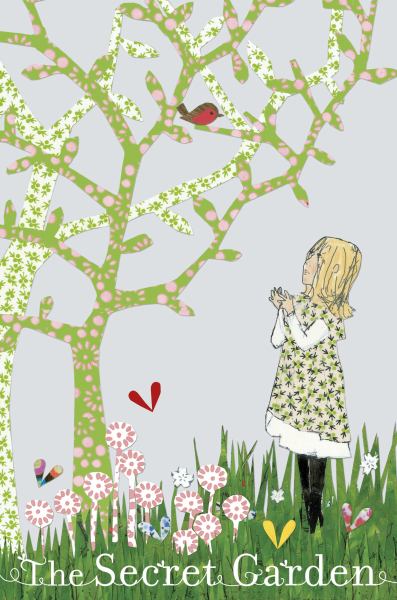
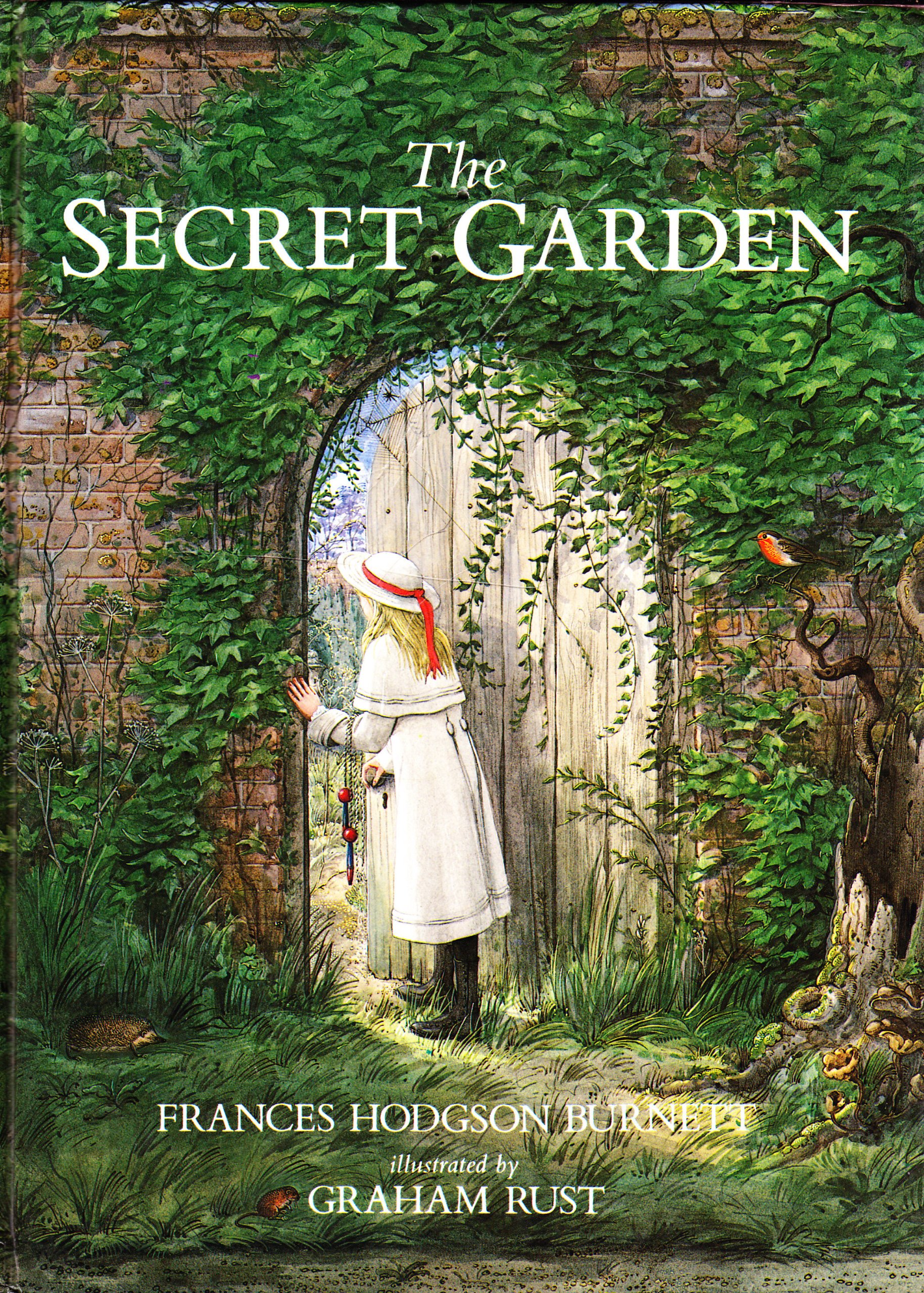
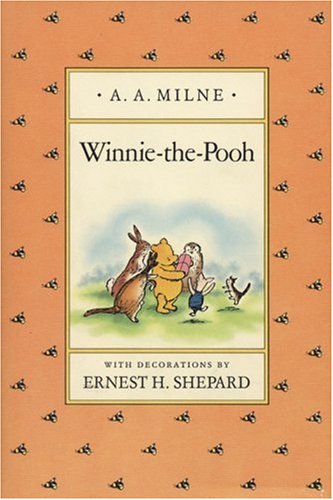
This post is part of an earlier installment which you can find here, talking about the importance of adults reading classical children's literature. As a brief recap, though many adults find children's literature to be infantile and immature, many of the themes presented in classic children's literature are better understood by adults and are inappropriate for the modern child. In the last segment, we analyzed the theme of abandonment, death, and abuse in PETER PAN, THE SECRET GARDEN, and WINNIE THE POOH. Today we will be discussing sexuality in PETER PAN and THE SECRET GARDEN.

PETER PAN by J.M Barrie is a great book to study for this theme. The first obvious point of sexuality in the novel is Wendy's role as mother and Peter's attraction to her. This is suggestive of Sigmund Freud's Oedipal Complex. Taken from Socrates' Oedipus Rex - where Oedipus, through a bizarre turn of events, unknowingly kills his father, marries his mother, and has children with her - Freud exemplifies the sexual attraction a son may have for his mother. Freud states that the male son may be jealous of the relationship the father shares with the mother as the mother is a source of comfort and stability for the son. The Oedipal Complex is present not only in Peter's attraction to Wendy, his awe with her specific to her nurturing and motherly traits (telling stories, giving him medicine, fussing), but also in how Peter kills the father figure of the story (Hook). Peter effectively destroys his rival (the father figure) and ensures that he is the sole focus of Wendy's attention and affections.

Hook also presents an interest in Wendy. This is not expressed in an overtly sexual way in the novel but always struck me as slight nefarious. Though in present day, a possible relationship between the two may seem perverse because Wendy is a child of maybe twelve during the novel and he is an adult, this may not have seemed as strange during the Victorian Era, when women often married much older men and could be married at such an young age.

The other small detail that I found while reading the novel as an adult that I could not believe was present was the fact that at some point in the story, Tinkerbell is said to have come back to Peter's hidden tree house from an orgy. While this word may or may not have meant something else during the time at which it was written, it was bizarre to see this in a "children's" novel.

Sexuality is also present in THE SECRET GARDEN by Frances Hodgson Burnett. The Victorian theme of quasi-incestuous relationships is also present in this novel. In THE SECRET GARDEN, Mary (our protagonist) goes to England to live with an uncle she has never met. Through the exploration of her new house she meets Colin, her cousin who has basically been quarantined because of a perpetual nondescript illness. Once the two meet, they form a bond because of their shared loneliness. Throughout the story though, Colin covets Mary and her attention. He becomes jealous of Dickon (their friend) when Mary takes an interest in Dickon's affinity to animals.
--> As a disclaimer, though modern readers may find the relationship between the two cousins disturbing, the marrying of cousins was not altogether inappropriate in England where the aristocracy would marry within the family to maintain titles and wealth.

Read through a lens of sexuality, the two boys can be seen as a symbol of virility and impotence. Dickon, who has a green thumb, has intimate knowledge of the land, and is a healthy and strapping young man, is an obvious representation of virility. Colin, who is sickly, whinny, and emotionally needy, is representative of impotence. Though throughout the story Colin becomes healthy and he too learns about the land, he remains more an intellectual counterpart to Dickon's physicality. Colin experiments with "magic" to see how the land and the animals will be affected while Dickon continues to weed and plant and care for the animals. Furthermore, by the end of the novel, the reader feels that Mary's affections lean more towards Dickon than her cousin.

Despite being children's novels, both novels can be read through a sexual lens and reference interesting concepts like that of Freud's Oedipal Complex and the dichotomy between two characters in their representations of male virility and impotence.

I hope you've found these analyses interesting and that it may have touched upon something that is new to you. If you have any questions or would like to start a discussion, please do so in the comments!

Thanks for reading!

Keep on reading on!


Tuesday, November 8, 2016

Three Common Study Misconceptions

As a tutor, lifelong learner, and someone who is studying to for the GREs, I can tell you that there isn't one right or wrong way to study. Studying is a personalized thing that is specific to each individual student. Different people can optimize their studying by gearing their notes to the kind of learner they are (kinesthetic, visual, auditory, etc - but more on that another time).

What I can say is that instead of telling people how they should or shouldn't study, it's important to point out common misconceptions about studying to students who feel they are putting in the work and not seeing results. Not knowing these misconceptions may be the reason why you're not seeing the fruits of your labor. 

So without further ado, here are some misconceptions to look out for:

1. Color Coding Is The Most Effective Way to Take Notes

Now, as a disclaimer,  like most of the things that I will mention in these misconceptions, I'm not saying that color coding is a BAD method for studying or note taking. Instead, I'm saying that there a lot of ways that color coding can be misused to make your notes completely undecipherable. Here are some of my issues with color coding.

  • First, it takes so much time switching back and forth between different colored pens. Even when you use multicolored pens like a coleto pen, it takes a lot of time just switching back and forth between the different tabs to switch colors. This my not be an issue for someone who has a lot of time on their hands, but let's be honest, most students just don't.
  • A lot of the time, if misused, color coding makes a page look too busy with color and the eyes have a hard time looking for specific kinds of information.

In order to combat this:

  • Pick TWO CONTRASTING colors to color code with. Or, set up two specific colors for different functions in your notes. --> Make sure that these contrasting colors are from opposite ends of the color wheel - think purple and orange, green and pink, blue and yellow, etc. Colors like orange and red and too similar and won't contrast enough to be effective.
  • I use a red, blue, and black system. I write down general notes in black, put definitions down in red, and important information in blue. I sometimes underline in purple or highlight (depending on what pen I'm using) with a blue Mildliner. Generally, I stick to three text colors and one accent color for underlining or highlighting. 


2. Reading Through the Material is Enough For Studying

This one I decided to add not because it's not true. Sometimes it is. Some people are able to read something, learn the concept, and apply it without much review or repetition. What's important to note is that these people are the exception. You probably aren't one of these people. I know I'm not. My problem with this is that when pressed for time, or when feeling just plain lazy, a lot of students fall back on "oh, I'll just read my notes" or "oh, I'll just read my textbook" to review. 

Please don't. I mean, do read assigned texts and do review your notes but know that just rereading something is not usually enough to prepare you for any sort of extensive exam or assignment. Need to know scientific terms and equations? Reading or rereading won't have you remembering these facts. 

Instead, take notes on your reading and make them interactive. These may be Cornell notes, mind maps, flashcards, bullet point notes - whatever works for you and the subject you're studying (and I suggest mixing it up depending on the subject and topic). Then after taking these active study notes, quiz yourself on the material. 

As an aside, you can skip the note taking if you're in a serious bind BUT read actively by quizzing yourself on bolded terms, saying the term's definitions before the textbook can. Also, answer questions that come up in at the end of chapter sections, in margins, or under pictures in your textbook.

The point is to be an active participant in your studying. Reading is a passive activity. Your brain can read through the words without registering what it's reading and without making larger connections. This can lessen focus and keep you from getting the "bigger picture" the material is trying to show you. Personally, I find notes are better than nothing. The physical act of writing something down can help with memory and with a question response study method (like Cornell notes and flashcards), you'll be much better prepared for exams. 

3. Highlighting Is an Active Study Method

It can be. Usually though, it's not. I cannot begin to count the number of used books I've bought for school where more than half of the page was highlighted. I mean, half of the page? REALLY?


My issues with highlighting is not that highlighting isn't an effective way to parse information, but that this is a skill that needs cultivating. Most people highlight absentmindedly, highlighting WHILE they're reading which means that the highlighter isn't doing its job (of separating important information from the rest). Most likely, you'll have to reread the entire page with highlights AGAIN in order to pick out the important things at which point, what was the point of highlighting really?

Another of my issues with highlighting (especially in textbooks or handouts) is that most highlighters (with the exception of the Pilot Frixion highlighters) are not erasable. So if you make the above mistake of highlighting damn near everything, there's no fixing that problem. Now you're stuck with an incredibly busy page.

Some minor issues (that do not affect some people) is that while you can color code your highlighting, it makes the page too busy for me to process the information. When I turn to a brightly colored page, it just overwhelms me.

Finally, I hate that some people believe that highlighting is in and of itself an active studying technique just because you are physically completing a task. This is incorrect. If you are someone that is highlighting absentmindedly, then you are not interacting with your text. When done correctly - you should read your text through one page at a time, then go back and find the parts you thought were important, then highlight keywords or terms to trigger a bigger concept - highlighting can be slightly active. But you have to do the pre-work.

You have to read your text and think about what information is important. This is a great first step to good quality reading skills or taking precise notes. I would even go as far as to say that when reading out of a textbook, just highlighting is never enough, and that you should use highlighting to make precise notes. You should highlight your notes but sparingly.

I hope these exposing these misconceptions has been helpful to you. Some people study their butts off and don't understand why their grades aren't reflecting their hard work. Sometimes, it's not that you aren't studying but that you're not studying effectively. I have a few more misconceptions I want to touch on on a later blog post so stay tuned for that!

As an aside, please remember to go out and vote! It's Election Day!

Have a great Tuesday! See you guys next time!


Monday, October 3, 2016

It's Elementary My Dear Reader

While this blog is about reading and writing and the study of these two things, in my downtime (when I'm not reading or writing or studying) I enjoy watching tv. I've recently gotten caught up with BBC's Sherlock - a modern adaptation of Arthur Conan Doyle's The Adventures of Sherlock Holmes.


--> As an aside, if you have never heard of or read the Sherlock Holmes series by Arthur Conan Doyle (how in the world could this be possible?!), I strongly urge you to do so. The language can feel a bit dense to someone who isn't used to reading Victorian literature but once you get through the first ten or fifteen pages, it gets easier. The stories follow the mysteries of a detective named Sherlock Holmes as told by his roommate and detective partner John Watson. The writing is just wonderful - especially if you're reading it aloud, it just rolls off the tongue - and the characters and plot are entertaining and intriguing. It's a hell of a lot of fun to read and a great start to anyone who wants to trying reading a mystery or wants a fun introduction to Victorian literature. 


I finally watched the Sherlock Christmas special, which was mostly set in Conan Doyle's original 19th century setting. I loved the episode. It wasn't what I expected and I'm grateful at being at least a little sated until next year's Season Four airing. If you're a Sherlock fan like me, you're super excited that we're finally getting another season but if you really just can't endure the six month wait, here are four books that I've read that might hold you over.

-*-*-*-*-*-*-*-*-*-*-*-*-*-*-*-*-*-*-*-*-*-*-*-*-*-*-*-*-*-*-*-*-*-*-*-*-*-*-*-*-*-*-*-*-*-*-*-*-


I can't begin to tell you how much I enjoyed this book! And did you catch the reference to a Study in Scarlet?! This teen fiction novel centers around James Watson, Dr. John Watson's great great grandson and his meeting Charlotte Holmes, Holmes' great great granddaughter. Both characters have known of each other's existence (since their families have been tied together since Sherlock and John) and our two main characters meet at boarding school where shortly thereafter a murder happens. Who are the two most likely suspects? Our protagonists of course. Despite a rocky start, the two must team up in order to clear their names.

This book is a lot of fun. It is written in the point of view of Jamie (James) Watson and is filled with witty high school insight - especially about boarding schools where family money and association can define your place in the social hierarchy. I also really appreciated that Caralloro gave us a great narrator in Jamie Watson. He is curious, humorous, and in awe of Charlotte Holmes (much the same way Conan Doyle's Watson was with Sherlock). But what is new about this modern adaptation is that the Holmes character is a girl and this allows for a whole new dynamic between Watson and Holmes.

Charlotte herself is a great character. She is flawed in many of the same ways Sherlock was - has substance abuse problems, can't relate well to others, can sometimes belittle those around her for having inferior intellect. But she also has a lot of his strengths as well. She is fiercely loyal and protective and is undeniably intelligent and observant. Charlotte also brings a new and interesting vulnerability to the story with serious personal experiences that are revealed within the story.

Of course, like most Sherlock Holmes stories the plot revolves around the mystery - in this case the murder of a boarding school student - and a lot of the usual deductions, chemical experiments, and misdirections are present. Watson is of course protective of the misunderstood Holmes and a lot of the traditional tropes are featured. But in all honesty, I found that the mystery (although the driving force of the plot), was a bit generic and predictable. In fact, I was able to guess the culprit close to half way through the book, which made the resolution a bit dissatisfying.

I don't want this to take away from how great I think this book is. It was incredibly entertaining and I finished it relatively quickly. I liked getting an insight to how the Holmes and Watson families have operated through the different generations and found that this book (at least to me) was more about the characters (the parallels to the original characters and the idiosyncrasies of the new characters). So if what drew you to the Sherlock Holmes mysteries was the characters, this book is definitely for you! If not, my other picks may interest you. 


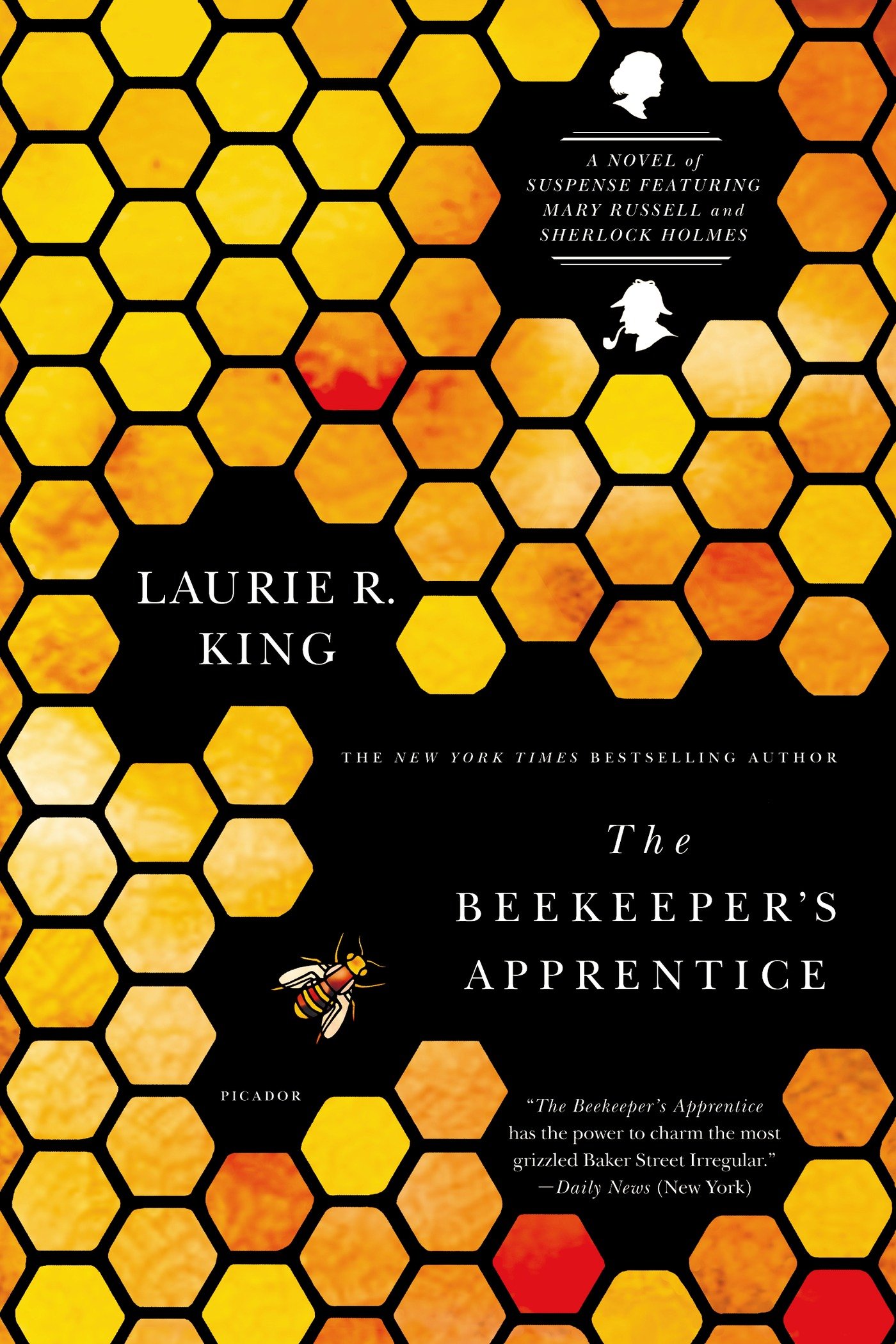
This book I read a few years ago. I read the synopsis - a novel about a retired Sherlock coming out of retirement to train a female protege - and was set on reading it. This book follows Mary Russell, our young female protagonist, over several years. In the beginning of this adult fiction novel, Mary Russell is a teenager who meets Sherlock who is fifty four years old and retired. He is intrigued by her succinct observations. He takes her under his wing and trains her in the art of unfolding a mystery - of understanding information that isn't immediately obvious. He teaches her the art of disguising herself, deduction, and how to track suspects.

Over the years she solves cases with Sherlock and becomes known as his apprentice. But when she goes to college, someone begins to target not only her but Sherlock and Watson. She must distance herself from her mentor in order to solve this mystery and to put a stop to the danger on all of their lives. This is honestly as much as I can say without spoiling the plot.

I liked this novel. I really enjoyed Mary as a narrator and protagonist but I did feel that Sherlock as a character was rather muted. He didn't exude enough presence for me (something Sherlock generally does without trying as a character) and I felt that there was something missing in how he was portrayed. I also had a slight issue with how Watson was portrayed. He was spoken of as "poor uncle Watson who has a good heart but is too simple too keep up with us". It rubbed me the wrong way and made Mary as a narrator a bit off for me in that one scene.

The mystery was enjoyable and had a lot of references to the Sherlock mysteries written by Conan Doyle.

I did feel like the story centered very closely around a small group of characters and made the plot and mystery easy to follow and I couldn't guess who the culprit was, which I appreciated! Though you do get to see Holmes and Watson (albeit in their older years), I felt the novel was more geared towards the mystery and the idea of intellect and deduction itself than any of the characters other than Mary. Because of this, I would suggest this read to those who are more interested in the mystery of a case than in the familiarity of the traditional Sherlock Holmes characters.

The Devil's Grin by Annelie Wendeberg

I have so many things to say about this adult novel! I found this book on goodreads.com while looking for Sherlock Holmes related reads. I had never heard of it before and thought I'd give it a chance based on the synopsis. This book follows a female bacteriologist at the turn of the nineteenth century who is posing as a man in order to have and keep her profession. She crosses paths with Sherlock Holmes during a case (a murder where cholera may have been involved) and at once he knows her secret (thanks to his skills in observation and deductive reasoning). This is literally the synopsis and the opening scene of the book.

Things just get more interesting from there. The story is told from the perspective of Anna (or Anton) Kronberg our crossdressing bacteriologist. We get to see the dichotomy of the two personas she must live with, the medical hardships of the people and the inequality of rights between men and women during this time period. Anna as a whole, is a gripping and dynamic character and trying to find out if she would be exposed kept me reading the story as much as the mystery that was unfolding.

Through the book Anna and Sherlock must confirm whether or not doctors are experimenting on patients and who the culprits are. The dynamic between the two characters is interesting, though sometimes a bit stilted, and Holmes is more a consultant to Anna than anything else. It is enjoyable to read the scenes where the two challenge each other since they are both incredibly intellectually driven people and it is fun to see Sherlock admit that he sees Anna as an equal. There are some parallels drawn between Anna and Irene Adler but this doesn't progress much further in this first novel.

--> As an aside, the story evolves much more over the next two books in the series, and comes to include Moriarty as a prominent character though he is not really featured in the first book. Honestly I would recommend for anyone to read the first book just so they can continue on with the series. Even though I did not like the end of the last book, I still think this was a great read. 

The mystery is the main focus of this novel and there is a lot of scientific knowledge (jargon) thrown in for authenticity. These scenes did not bother me but can be repulsive to those who cannot read about a doctor cutting a body open in order to examine it for cause of death in a coroner's office.

Some readers have stated that Sherlock does not read true to the original character but this did not bother me as it was someone's interpretation of the original character. The one thing that did bother me in the beginning of the was the way the narration was written. For the first thirty or so pages, I found it slightly off. But when I became engrossed in the story, I honestly forgot about it altogether.

Overall, I found that this book (as a Holmes read) was more about the mystery and the rivalry dynamic between Anna and Sherlock than it was about enjoying Sherlock as a character (in that he was not always portrayed authentically and didn't have much screen time altogether). If you enjoy how detailed some of the Holmes cases are and how the minute clues must come together in order to solve a case, this is a definitely a read I think you will enjoy.


This was an interesting read. This book is not specifically about Sherlock Holmes but has a very similar vibe in terms of story structure, characters, and tropes. Jackaby is a teen fiction novel marketed as a cross between Doctor Who and Sherlock Holmes. I can't attest to the first (I've never watched Doctor Who) but I can say that there are many nods to the Sherlock Holmes series.

This teen fiction novel is about Jackaby has the unique ability to be able to see magical creatures and their auras - this is not a spoiler, it's on the synopsis. Enter out main character, Abigail Rook, who becomes Jackaby's new assistant and we have the same dynamic Conan Doyle created between Sherlock and Watson. Ms. Rook has to help Jackaby solve a murder cause by a magical creature that none, other than Jackaby (with his unique skills), can detect. The interaction between the two characters is amusing in that most people (including Abigail) find Jackaby to be odd and often delusional. But the longer Abigail works for Jackaby the more she is drawn into his world of ghosts, banshees, werewolves, and fairies.

Abigail chronicles the case as a way to help Jackaby keep track of his thoughts and the incoming facts and clues as she narrates the story. As a woman in the late nineteenth century, she is bold, doesn't conform to gender roles, and is a "roll with the punches" kind of woman. She is running from familial obligations and has a need for independence. I really enjoyed learning all of these mystical new things as she learns them and find that she narrates with a great sense of dry humor.

Ritter does a great job with his characters. He has an amusing narrator in Abigail, creates more humor in Jackaby with all of his oddities (and his dismissal of everyone who doesn't understand his reasoning) and has a plethora of interesting side characters. But he does an even better job balancing all of this with a great murder mystery plot. The plot is always moving forward with amazing pace and with every new clue, a new interesting character is added to either help find the next piece of the puzzle or to create suspense as a possible suspect. While I did also guess the culprit of this novel correctly before the end of the book, I do think that Ritter gave a great deal of attention to the mystery aspect of the story and that the reveal at the end was satisfying.

Ritter does create a lot of parallels in the story telling to the Sherlock Holmes mysteries in the dynamic between his two main characters, the way Jackaby is a misunderstood savant who cannot relate well with others, and the way that the mystery unfolds. Jackaby also deduces things that others can't (if only because of his special talents) and goes to his lab to test his theories. Abigail is understanding of Jackaby and indulges his neuroses.

Overall I find that this is a more well-rounded Sherlock Holmes-esque read (save the magical and fantasy elements). It presents both characters and a plot that have a Holmes feel to them and in the end was enjoyable and satisfying in terms of its resolution.

-*-*-*-*-*-*-*-*-*-*-*-*-*-*-*-*-*-*-*-*-*-*-*-*-*-*-*-*-*-*-*-*-*-*-*-*-*-*-*-*-*-*-*-*-*-*-*-*-

These are great Sherlock Holmes themed or inspired books for any Sherlock fan to read and I hope that you guys will enjoy them. If you've read any of these books, please let me know your thoughts and I hope you guys have a wonderful week!


Saturday, May 28, 2016

Why Children's Literature Is Still Relevant To Adults Part I

A lot of teen and adult readers scoff at Children's Literature. I understand the impulse. We feel we're too mature for "little kid books" but older readers shouldn't be so quick to dismiss these novels. Many of them contain adult themes, historical and literary references, and are benchmarks for (what were once) innovative literary devices. 

To be clear, when I say this, I'm (mostly) not talking about Contemporary Children's Literature (like Harry Potter or the Big Nate books - though these books are great for their own reasons). I am talking about Classic Children's Literature. To illustrate these points, we'll be looking at classic novels like Peter Pan by JM Barrie, Winnie the Pooh by A.A Milne, and Frances Hodgson Burnett's The Secret Garden. All of these are incredibly popular and iconic stories, which we have seen at least once in Disney versions, with the exception of Hodgson's novel - which has several film adaptations. As such, I will assume the reader will know the general plot points of these works. Though these novels may bring about some childhood nostalgia, these novels can actually be extremely dark, the written works too dense for a child to navigate through alone, and filled with adult themes. 

If we take a more analytical view of these texts we'll see that a lot of complex themes are can be applied to these novels, including (but not limited to):

I. Abandonment, death, and abuse
II. Sexuality
III. Marxism (economic and social disparities)

IV. Historical and Literary References

How? Let's take a closer look...

I. Abandonment, death, and abuse

These themes can be see in all of the novels we'll be looking at. 


PETER PAN seems like the obvious place to start with this one. Peter Pan's plot revolves around emotionally abandoned children who run away from growing up by going to a magical land to live with Lost Boys who were literally abandoned. The Darling children love their mother and feel emotional support from her but do not feel that from their father who doesn't seem to understand them. It is their father's obsession with the children growing up (presumably so they can become more self sufficient) that drives the children to escape reality. This is the first act of abandonment within the novel. 

The story then continues on with the idea of abandonment by having Peter look for a mother figure for the Lost Boys. Because they have never had a mother (that they can remember, anyway), they look to Wendy who can tell good stories, to perform the role of "mother".  As much as the children have fun playing and doing childlike activities with each other, they crave the attention and affection of an adult parental figure and at first project this onto Peter and Wendy who play at being parents. The Lost Boys embody abandonment and evoke this feeling in their name alone. 

In the original play, Peter tries to convince Wendy that she has been abandoned by her parents by trying to lock her bedroom window, showing that they do not care if she returns.  he believes that this will be enough to convince Wendy to stay in Neverland with him. This shows that Peter feels he is being abandoned by Wendy and will do what he thinks is necessary to keep her with him. But when he sees Mrs. Darling's anguish over her missing children, he decides not to follow through with his plan and Wendy returns home feeling loved and wanted by her parents.

The theme of abandonment is then resolved (for Wendy, her brothers, and the Lost Boys at least) when Wendy brings the Lost Boys home with her and they are adopted into her family where they will finally have parents in Mr. and Mrs. Darling. 

Abandonment is also a major theme in both of Frances Hodgson Burnett's novels. In THE SECRET GARDEN the story opens to Mary, a little girl who lives in India with her wealthy and physically and emotionally unavailable parents. Mary rarely sees her father and her mother is more concerned with parties and flirting than attending to the needs of her only child. Instead the child is vetted out to caretakers who don't speak English and indulge the child's every wish. The emotional abandonment is then made more concrete (literally being a physical abandonment) when both of her parents die due to an outbreak of cholera (along with most of the people in the area). Mary then survives on her own for several days, sipping wine and eating the food that has been left on the manor's table. When she is discovered and the fact that she is an orphan announced, she is sent to live with an uncle (Archibald Craven) she has never met. 

After weeks of living in her uncle's manor in England, she discovers that she has a sickly cousin named Colin. He is equally as abandoned by both of his parents. Colin's mother died when he was very young and his father spends as much time as possible away from his son and his home in Misselthwaite Manor. Even when Mr. Craven is home, he never goes to see his son when he is awake and feels conflicted about whether to become attached to the child (because of Colin's weak constitution and Mr. Craven's fear that his son will die, creating an even deeper wound in his heart). Instead, Colin's wellbeing is left in the care of Mrs. Medlock who doesn't know what to do about Colin's bad health and in attempts to treat the boy, basically tortures him with ice baths and other hurtful remedies. 

This theme is also portrayed within the garden itself. Mary goes to great lengths to show the reader that the garden has been neglected and abandoned by its owner. She then takes responsibility for it and it flourishes under her care, creating a parallel between it and the two neglected children. 

Mary and Colin also become full of life when they find each other and gain Mr. Craven's affection. Mr. Craven is shocked to see how much Mary resembles his late wife (Mary and Colin's mothers were twins) and feels an affinity with the girl. He allows her to have her "bit of earth", which Mary uses as permission to open the Secret Garden (though Mr. Craven is unaware that this is the plot of land Mary had chosen). With Mary's help, Colin makes a miraculous recovery from his illness (which is not specified in the story though the symptoms include lumps, weakness of the bones, etc). Once he is healthy, they create a ritual (a bonfire where they ask for things they want) and Colin asks for his father to return and see him in good health. Once Mr. Craven returns and sees that Colin is cured, he is beside himself with joy and thanks Mary for everything she has done. The story ends with the understanding that he will be more present in Colin's life and that he will care for Mary as a father, satisfying the children's need for parental intimacy and erasing their feelings of abandonment. 


The characters in WINNIE THE POOH also experience this idea of abandonment. The most obvious case of this is Pooh's constant waiting for Christopher Robin to return to the 100 Acre Wood. The story was written by A.A Milne about his son's stuffed animals (and to me is the first "Toy Story" ever created). Milne creates a world where all of these teddy bears have lives and stories of their own, separate from his son, until Christopher Robin decides to play with them (which is represented by when he visits the Hundred Acre Wood). 

In The House at Pooh Corner, the novel ends with the inhabitants of the Hundred Acre Wood throwing Christopher Robins a farewell party. Though is it isn't outwardly stated, it is suggesting that the farewell party is actually Christopher Robins saying goodbye to his stuffed animals as he out grows them (similar to Andy giving away his toys at the end of Toy Story 3). 

All three novels deal with the themes of abandonment, a topic that is explored seriously. All of these novels deal with emotional and physical abandonment and how the negative feelings attributed to being abandoned can be healed and overcome. 

I hope you've enjoyed this first installment of "Why Children's Literature Is Still Relevant to Adults". In the next installment we'll be looking at the theme of sexuality and relationships in Children's Literature. 

Have a great Memorial Day weekend! 

Happy Reading!


Wednesday, May 11, 2016

A Beginner's Guide To Planning Your Novel


I've been trying to write a book for the past sixteen years. I haven't been too successful. So why should you listen to anything I have to say on how to plan your novel? Well, planning has always been my strong suit, it's the actual writing that's been the problem - getting the words down in a way that sounds right to me so I don't abandon the project.

Some writers (known as pants-ers) don't believe in planning. They go wherever the story takes them and fix mistakes in the editing process. I admire these people and used to try to write in a very similar way but found that I just rambled for much too long on dialogue that went nowhere and scenes that meant nothing. That's when I began reading books on writing books to help me better understand the components of a novel - what was needed in order to form dynamic characters, a plot that had purpose and direction, and themes that readers could relate to. After a few years of research and planning out several novels, I've found a system that works for me. I do not guarantee that it will work for everyone but I hope that you'll find it useful.

In order to plan a story (and keep in mind that most of my stories are character driven), I separate my planning into three parts:

1. CHARACTER

2. PLOT

3. THEME

These are the three big things that I try to focus on while coming up with a good story. Obviously, there are other parts to story telling (setting, tone, etc) that are equally important, but I find that focusing on these three things give me a good foundation to figure out the rest of what makes a story great.

When using this model, I start with character and usually branch out. When focusing on CHARACTER, ask yourself, who is this character? If they were person (your neighbor, someone at your school or work) how would you see them? How would you label them? A lot of authors use this method as a starting point for their characters. In Harry Potter, for example, Hermoine is the smart one and Ron is the funny/loyal one. Obviously the characters are more complex than that but you can see how this is a jumping off point for Rowling to build her characters. When building your characters ask yourself:

i. What is this character's history?

ii. What kind of personality do they have?

iii. What habits do they have?

iv. What do they look like?

I usually answer all of these questions by setting up a bullet point system where I write any and all facts that come to mind about each of my characters. I then write a  few paragraphs about each of my characters (almost like a psychological study). This should read like a wikipedia page of any important information a reader might need to know. This does not need to be extensive and isn't really necessary to building good three dimensional characters but I enjoy doing it and it helps me really understand my characters.

The next thing I focus on when planning a long story is PLOT. Here you're essentially thinking about what specifically is happening in the story and thinking about where you want the story to go. It's important to know the basics of plot, which state that a plot is broken up into three major parts:

1) Introduction - this is the beginning of the story. It shows who your character is and where they are in life. Keep in mind that your character should feel like there is either something missing in their lives that they must gain, an obstacle they must overcome, or they are unassuming and are called upon to do something magnificent. This is because there needs to be some change in the character throughout the book. So this first part is the part where the reader who the character is BEFORE whatever is going to happen, happens.

2) The Middle - This is the biggest chunk of the three. This is where the character is finally called up, realizes what they need to to, etc. This is a huge bulk of the book because this is where you character grows, learns (how to be themselves, how to defeat the enemy, the skills needed to overcome the obstacle, etc). Here the character is learning about their problem and what tasks/ character traits are necessary to fix them. They try and mess up, learning new lessons. And as this section comes to an end, they are almost ready to face whatever the problem in the story is.

3) The End - The end is basically the boss battle at the end of the book. The boss battle can be anything from realizing finally that you've chosen the wrong guy and therefore should break up with the jerk that's been mistreating you (so you can date the nice boy next door who's always been there for you) or it can be a literal battle between a protagonist who is fighting in the name of good against an antagonist who is trying to spread evil across the land. Here the character must wield everything they have learned in order to defeat the big bad.

Now, the way I start with plot may seem a little odd (basically thinking about who my character is and where they are in life) but this is a great place to start when writing a character driven piece or even just helping you piece together where you should start your story at all. So ask yourself these questions:

i. What is my characters life like before the thing that changes everything?

ii. What does my character need to learn by the end of the story?

iii. What does my character want? What motivates them to move forward and change?

iv. You character will come close to achieving the goal but there must be pitfalls. What is your character's setback? What does this mean for the character's growth (and how do they take the loss)? What does this mean to your character's goal?

v. The character comes to a fork in his/her life where they must show all they have learned so far. What does you character need to show they've finally become able to do? What must they give up to achieve this goal?

Finally, it's time for you to think about what THEMES you want to explore in your story. I like to do planning in this order because by the time I get to themes, I already have a lot of content to draw on. Knowing who your characters are and where you plot is (likely going because let's be real, everything is subject to change during the actual writing process), helps to cement what themes you might be exploring and how to bring them out better in your story. When considering themes, look at the (internal and external) challenges your characters are facing and think of how this can be translated into themes which can come in the form of:

--> relationship between parent and child                        --> questioning authority

--> identity                                                                          --> death

--> economic class                                                          

--> gossip/ lies

Once you find these (or other) themes with your story, talk about which characters portray these themes and give an overview of on how each theme shows up in that character's storyline. This may help with some background story for your characters or illuminate some scenes you haven't thought of in detail.

I personally like to do variations on themes in my stories in order to give more depth. For example, one of my stories goes into parent/child relationships. The girl's mother dies in childbirth, she is raised by her uncle, and is forced to move and live with her father when he remarries, giving her a stepmother (a new mother figure). Now there are three different parent child relationships being explored:

1) The relationship between her and her uncle. He is her surrogate father and has raised her for the first 14 years of her life.

2) The relationship between her and her father. Her father was absent for the majority of her life and is distant with her even after she moves in with him.

3) The relationship between her and her stepmother. Her stepmother is very judgmental and nitpicks at how she is though she has the best intentions and has always wanted a child.

This way, the theme is more complex because the reader can see three different version of this relationship and start asking questions like who is the better parent? Is being a parent defined by who births you? Can parents hurt their children even when they have good intentions? Can a parent love a child and be unable to show it? Etc.

After this, you are ready to get deeper into plot planning or to start writing your story. I hope this brief overview had helped you. If your writing process is different please let me know and if you would like more in depth explanations of each section, please let me know.

Happy Writing!